Abdominoplasty safety and recovery in UK is one of the most important considerations for anyone thinking about a tummy tuck procedure. While many patients focus on the cosmetic improvements that abdominoplasty can provide, understanding the safety profile, recovery process, and surgeon expertise is equally essential for achieving successful outcomes.Modern tummy tuck surgery has evolved significantly …

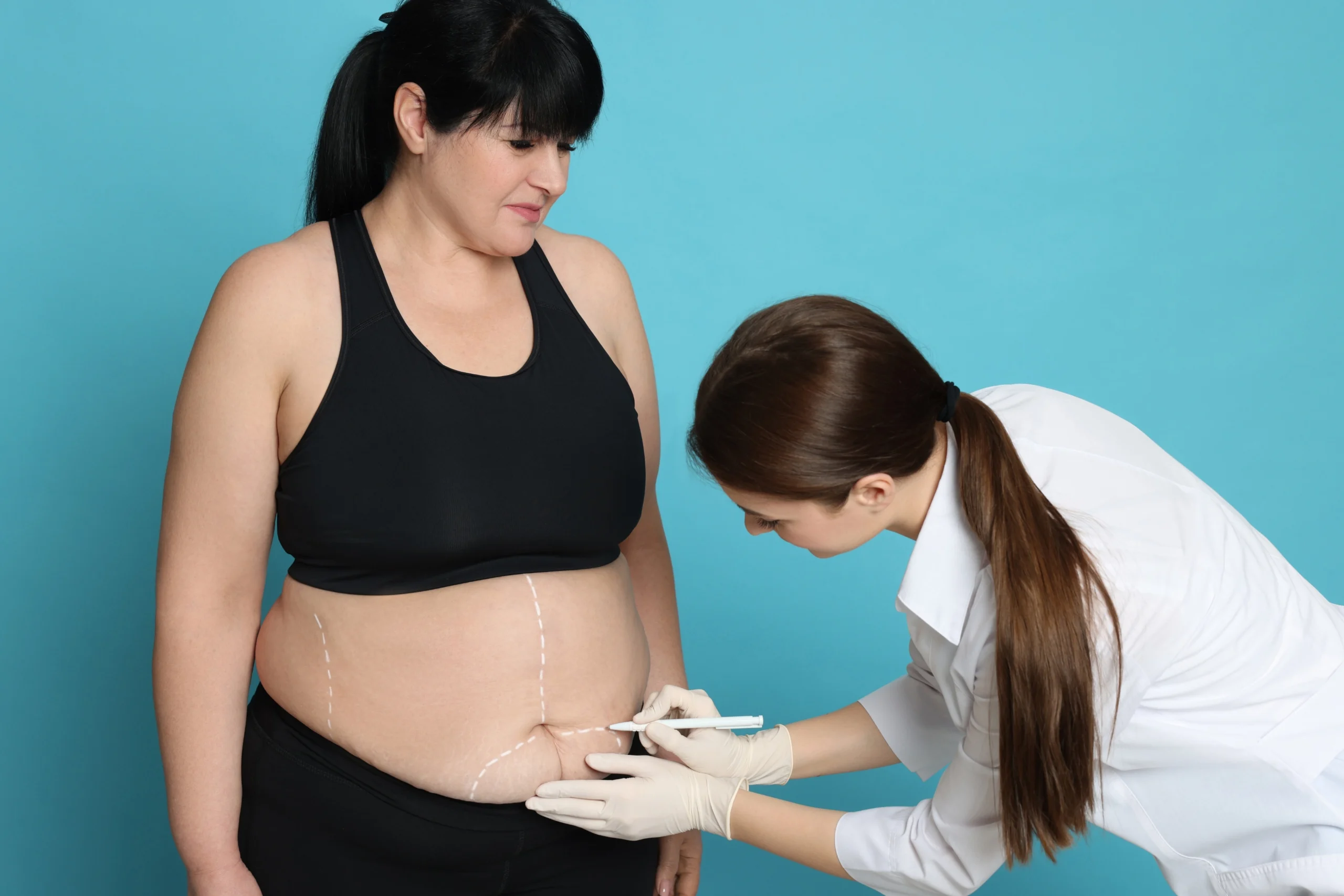
Abdominoplasty safety and recovery in UK is one of the most important considerations for anyone thinking about a tummy tuck procedure. While many patients focus on the cosmetic improvements that abdominoplasty can provide, understanding the safety profile, recovery process, and surgeon expertise is equally essential for achieving successful outcomes.
Modern tummy tuck surgery has evolved significantly over the past decade. Advances in surgical techniques, anesthesia, patient selection, and post-operative care have improved both safety and patient satisfaction. However, as with any surgical procedure, informed decision-making remains critical.
This guide explores the latest information about abdominoplasty safety and recovery in UK, including what influences surgical success, what patients can realistically expect during healing, and why surgeon experience and procedure volume can play a major role in outcomes.
Understanding Abdominoplasty Safety and Recovery in UK
When discussing abdominoplasty safety and recovery in UK, it is important to understand what the procedure involves.
Abdominoplasty, commonly known as a tummy tuck, is a surgical procedure designed to remove excess skin and fat from the abdomen while tightening weakened or separated abdominal muscles. It is frequently chosen by individuals who have experienced significant weight loss, pregnancy-related abdominal changes, or age-related skin laxity.
The UK has strict healthcare regulations and professional standards governing cosmetic surgery. Procedures performed by qualified plastic surgeons in accredited facilities are subject to extensive safety protocols designed to minimize risks and optimize patient outcomes.
Key safety factors include:
- Comprehensive pre-operative assessment
- Careful patient selection
- Accredited surgical facilities
- Qualified anesthesia teams
- Post-operative monitoring
- Structured recovery protocols
These measures contribute significantly to improving abdominoplasty safety and recovery in UK.
Why Patients Choose Abdominoplasty
Many patients seek abdominoplasty for both aesthetic and functional reasons.
Cosmetic Benefits
Patients often experience:
- A flatter abdominal contour
- Removal of loose skin
- Improved waistline definition
- Enhanced body proportions
- Better clothing fit
Functional Improvements
For some individuals, the procedure may also help address:
- Abdominal muscle separation (diastasis recti)
- Skin irritation beneath excess folds
- Difficulty exercising due to excess skin
- Reduced core stability
While cosmetic improvement is often the primary goal, these functional benefits can contribute positively to overall quality of life.
Safety Data: What the Research Shows
Modern studies generally demonstrate favorable outcomes when procedures are performed by experienced surgeons and suitable candidates are selected.
When evaluating abdominoplasty safety and recovery in UK, patients should understand that complication rates are influenced by several variables rather than the procedure alone.
Common Temporary Side Effects
Most patients experience temporary symptoms such as:
- Swelling
- Bruising
- Tightness
- Mild discomfort
- Temporary numbness
These effects are considered normal aspects of healing and usually improve over time.
Potential Surgical Risks
As with any operation, tummy tuck surgery carries risks that may include:
- Infection
- Delayed wound healing
- Fluid accumulation (seroma)
- Bleeding
- Scarring
- Blood clots
- Changes in skin sensation
Understanding these possibilities helps patients make informed decisions regarding abdominoplasty safety and recovery in UK.
Factors That Influence Surgical Safety
Several patient-related and surgical factors influence outcomes.
Body Mass Index (BMI)
Higher BMI levels can increase the likelihood of complications.
Many surgeons recommend reaching a stable, healthy weight before surgery to improve:
- Wound healing
- Surgical precision
- Recovery outcomes
- Long-term results
Smoking Status
Smoking significantly impacts circulation and tissue healing.
Patients are generally advised to stop smoking well before surgery because nicotine can increase the risk of:
- Skin healing complications
- Infection
- Tissue loss
- Delayed recovery
Medical History
Conditions such as:
- Diabetes
- Cardiovascular disease
- Autoimmune disorders
may require additional evaluation before surgery.
Comprehensive assessment remains a cornerstone of abdominoplasty safety and recovery in UK.
Why Surgery Volume Matters
One of the most overlooked aspects of cosmetic surgery success is surgical volume.
What Is Surgical Volume?
Surgical volume refers to the number of procedures a surgeon performs regularly.
A surgeon who performs tummy tuck procedures frequently may develop:
- Enhanced technical precision
- Better complication management
- More consistent outcomes
- Improved surgical efficiency
Experience and Decision-Making
High-volume surgeons often encounter a wider variety of patient presentations.
This experience can help with:
- Procedure planning
- Risk identification
- Technique selection
- Post-operative care decisions
Consistency of Results
Performing procedures regularly allows surgeons to refine techniques and adapt to evolving best practices.
For patients researching abdominoplasty safety and recovery in UK, evaluating surgeon experience can be just as important as reviewing before-and-after photos.
Modern Advances Improving Safety
Advancements in plastic surgery continue to improve patient outcomes.
Enhanced Anesthesia Protocols
Modern anesthesia techniques are designed to:
- Improve patient comfort
- Reduce nausea
- Support faster recovery
- Enhance monitoring
Improved Surgical Techniques
Current approaches often focus on:
- Preserving blood supply
- Minimizing tissue trauma
- Reducing tension on incisions
- Optimizing scar placement
Enhanced Recovery Programs
Many clinics now implement enhanced recovery protocols that encourage:
- Early mobilization
- Better pain control
- Reduced complications
- Faster return to daily activities
These developments contribute significantly to abdominoplasty safety and recovery in UK.
Preparing for a Safe Tummy Tuck
Preparation begins well before the day of surgery.
Pre-Operative Assessment
Patients typically undergo:
- Medical history review
- Physical examination
- Laboratory testing
- Medication assessment
Lifestyle Adjustments
Surgeons may recommend:
- Smoking cessation
- Weight stabilization
- Improved nutrition
- Regular physical activity
Setting Realistic Expectations
Understanding what surgery can and cannot achieve is an important part of preparation.
Realistic expectations often contribute to greater satisfaction during abdominoplasty safety and recovery in UK.
Abdominoplasty Recovery Timeline
Recovery varies among individuals, but understanding general timelines helps patients prepare effectively.
Week 1: Initial Healing Phase
The first week focuses on rest and recovery.
Patients may experience:
- Swelling
- Tightness
- Mild discomfort
- Limited mobility
Walking is usually encouraged to promote circulation.
Recovery Priorities
During this stage:
- Follow medication instructions
- Attend follow-up appointments
- Wear compression garments
- Stay hydrated
These steps support successful abdominoplasty safety and recovery in UK.
Weeks 2–4: Gradual Improvement
Most patients begin noticing improvements during this period.
Common developments include:
- Reduced swelling
- Increased mobility
- Improved comfort
- Greater independence
Light daily activities may gradually resume depending on surgeon guidance.
Activity Restrictions
Patients should continue avoiding:
- Heavy lifting
- Intense exercise
- Strenuous household tasks
Following restrictions helps protect healing tissues.
Weeks 4–8: Return to Routine
Many individuals start returning to more normal routines.
At this stage:
- Energy levels improve
- Swelling continues decreasing
- Abdominal contour becomes more visible
- Confidence often increases
Surgeons may gradually clear patients for increased physical activity.
Months 3–6: Continued Refinement
The body continues healing for several months after surgery.
Patients may notice:
- Softer scars
- Reduced residual swelling
- Improved abdominal definition
- Greater comfort during activities
Long-term results become increasingly apparent during this phase of abdominoplasty safety and recovery in UK.
Managing Expectations During Recovery
Recovery is not always a straight line.
Swelling Can Persist
Many patients underestimate how long swelling can last.
Mild swelling may continue for several months before final results become visible.
Scar Maturation Takes Time
Scars typically evolve through several stages:
- Initial healing
- Redness and firmness
- Gradual softening
- Fading over time
Patience is important when evaluating final outcomes.
Emotional Recovery Matters Too
Physical healing is only one aspect of recovery.
Patients may experience emotional ups and downs as they adjust to:
- Temporary limitations
- Healing changes
- Gradual result development
Understanding these realities helps support a smoother recovery experience.
Tips for Supporting Recovery
Several habits can promote successful healing.
Nutrition
Focus on:
- Lean proteins
- Fruits
- Vegetables
- Adequate hydration
Proper nutrition supports tissue repair and recovery.
Mobility
Gentle walking may help:
- Improve circulation
- Reduce clot risk
- Support recovery
Always follow your surgeon’s specific instructions.
Follow-Up Care
Attending scheduled appointments allows surgeons to monitor progress and address concerns promptly.
Consistent follow-up remains an important component of abdominoplasty safety and recovery in UK.
Choosing the Right Surgeon
Selecting an appropriately qualified surgeon is one of the most important decisions patients can make.
Questions to Ask
Consider discussing:
- Surgical qualifications
- Years of experience
- Procedure volume
- Complication management
- Recovery support protocols
Evaluating Credentials
Patients should seek surgeons who:
- Hold recognized qualifications
- Operate in accredited facilities
- Provide transparent consultations
- Prioritize patient safety
These factors contribute significantly to positive outcomes and improved abdominoplasty safety and recovery in UK.
Conclusion
Understanding abdominoplasty safety and recovery in UK is essential for anyone considering a tummy tuck procedure. Modern surgical techniques, strict UK healthcare standards, improved anesthesia protocols, and enhanced recovery pathways have all contributed to safer procedures and more predictable outcomes.
However, successful results depend on multiple factors, including patient health, realistic expectations, adherence to recovery instructions, and the experience of the surgical team. Surgeon expertise and procedure volume remain particularly important considerations, as they can influence both safety and consistency of results.
If you are researching body contouring procedures, you may also benefit from learning more about liposuction recovery, body contouring after weight loss, and post-pregnancy abdominal rejuvenation treatments. Exploring these related topics can help you make informed decisions and better understand the options available for achieving your aesthetic and functional goals.
Book a Consultation
It’s easy and free!