A tummy tuck can dramatically improve abdominal contour, remove excess skin, and restore confidence after pregnancy or significant weight loss. However, one aspect of the procedure that patients often underestimate is the healing and maturation of the surgical scar.Understanding tummy tuck scar healing in UK is essential for setting realistic expectations before surgery. While modern …

A tummy tuck can dramatically improve abdominal contour, remove excess skin, and restore confidence after pregnancy or significant weight loss. However, one aspect of the procedure that patients often underestimate is the healing and maturation of the surgical scar.
Understanding tummy tuck scar healing in UK is essential for setting realistic expectations before surgery. While modern surgical techniques are designed to place scars discreetly and optimize healing, every tummy tuck incision leaves a permanent scar. The good news is that scars typically improve significantly over time and become less noticeable as the healing process progresses.
Scar maturation is a gradual biological process that can take months or even years to complete. Factors such as genetics, skin type, surgical technique, post-operative care, and lifestyle habits all influence the final appearance of the scar.
This comprehensive guide explores the stages of tummy tuck scar healing in UK, factors that affect scar quality, available treatment options, and practical steps patients can take to support optimal healing.
Tummy Tuck Scar Healing in UK: What Patients Should Expect
When discussing tummy tuck scar healing in UK, it is important to understand that scarring is a normal and unavoidable part of surgery.
During a tummy tuck, incisions are made to remove excess skin and reshape the abdomen. The resulting scar is a natural consequence of the body’s healing response.
Where Is the Tummy Tuck Scar Located?
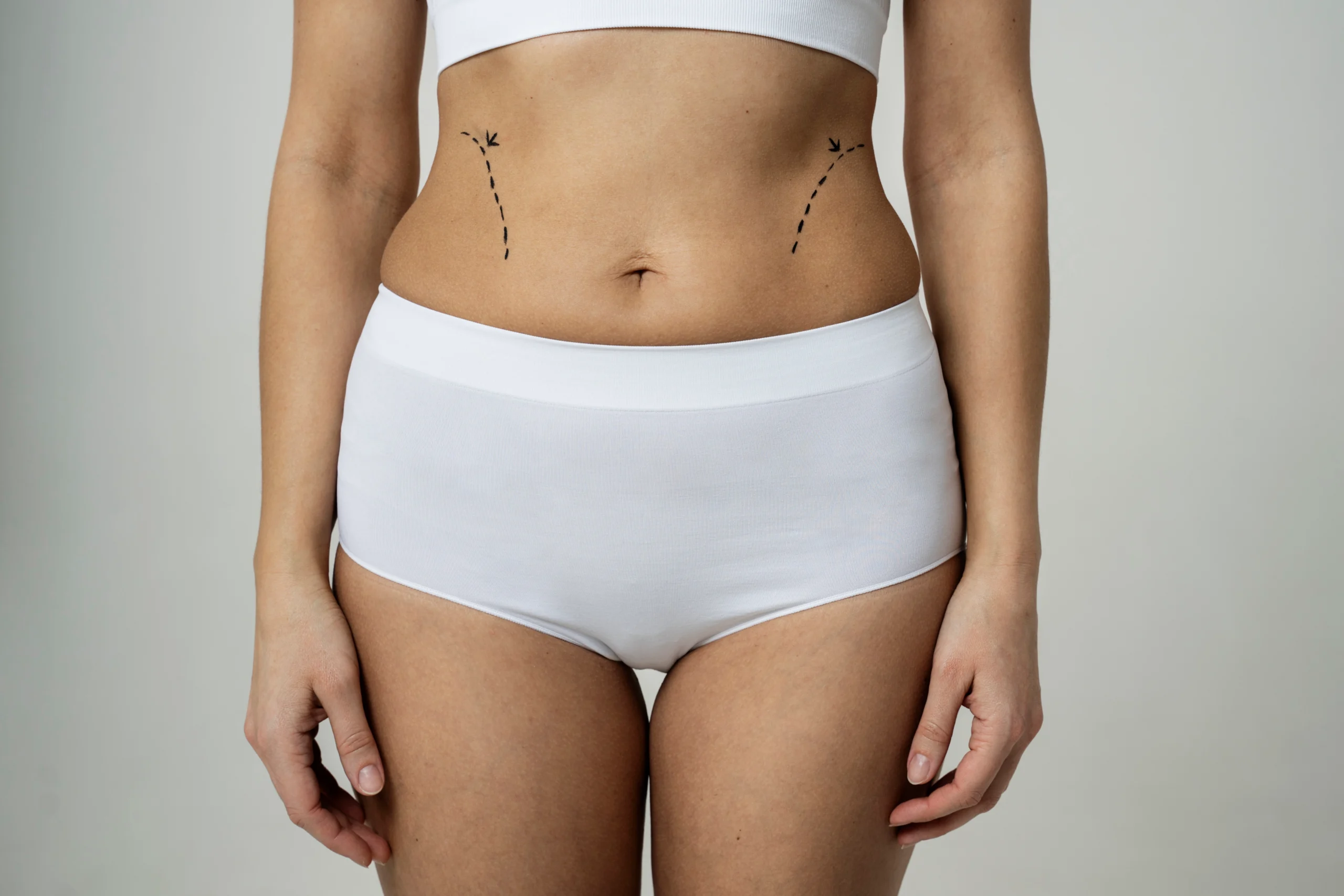
In most cases, the primary scar is placed low on the abdomen, typically below the bikini or underwear line.
Depending on the procedure performed, patients may also have:
- A lower abdominal scar
- A scar around the belly button
- Additional minor scars if liposuction is combined
Experienced surgeons carefully position incisions to maximize concealment while achieving the desired contouring results.
Why Scars Form
Scars develop when the body repairs damaged tissue.
After surgery, the body produces collagen fibers to close and strengthen the incision site. Unlike normal skin, scar tissue has a different structure and appearance, which is why it initially looks red, raised, or firm.
Understanding this process helps patients appreciate the realities of tummy tuck scar healing in UK.
The Science Behind Scar Maturation
Scar healing occurs through a series of biological stages.
Each phase serves a specific purpose in tissue repair and contributes to the final appearance of the scar.
Phase 1: Inflammatory Stage
The inflammatory stage begins immediately after surgery.
During this phase:
- Blood clotting occurs
- Immune cells enter the area
- Swelling develops
- Initial wound closure begins
This phase typically lasts several days.
Phase 2: Proliferative Stage
The proliferative phase involves active tissue repair.
During this period:
- New collagen is produced
- Blood vessels develop
- Skin edges strengthen
- Scar tissue forms
This stage can continue for several weeks.
Phase 3: Maturation Stage
The maturation phase is the longest stage of healing.
During scar maturation:
- Collagen reorganizes
- Scar thickness gradually decreases
- Redness fades
- Texture improves
This phase is central to tummy tuck scar healing in UK and may continue for up to 18–24 months.
Tummy Tuck Scar Healing Timeline
Every patient heals differently, but most follow a similar pattern.
Weeks 1–2: Early Healing
During the first two weeks, patients may notice:
- Redness around the incision
- Mild swelling
- Tenderness
- Tightness
At this stage, the scar is usually more noticeable than patients expect.
Weeks 3–6: Scar Formation
As healing progresses:
- The incision becomes stronger
- Scabbing resolves
- Swelling gradually decreases
- The scar may appear darker
This is a normal part of tummy tuck scar healing in UK.
Months 2–6: Active Remodeling
During this period:
- Scars may become raised
- Pink or red coloration may persist
- Texture changes occur
- Itching may develop
Many patients become concerned during this phase, but these changes are typically temporary.
Months 6–12: Visible Improvement
Most scars begin showing significant improvement.
Patients often notice:
- Reduced redness
- Softer texture
- Less elevation
- Improved appearance
12–24 Months: Final Maturation
The final stage of tummy tuck scar healing in UK involves gradual refinement.
Scars often become:
- Flatter
- Lighter in color
- Softer to touch
- Less noticeable
While scars never disappear completely, they usually become much less prominent over time.
Factors That Influence Scar Healing
Several factors can affect how a scar matures after tummy tuck surgery.
Genetics
Genetics play a major role in scar formation.
Some individuals naturally produce:
- Minimal scars
- Fine scars
- More noticeable scars
- Raised scars
Family history can sometimes provide clues about healing tendencies.
Skin Type
Different skin types may heal differently.
Factors include:
- Skin thickness
- Pigmentation
- Elasticity
- Collagen production
These variables influence the outcome of tummy tuck scar healing in UK.
Age
Younger patients often produce more collagen during healing.
While this may enhance wound repair, it can occasionally increase the likelihood of thicker scars.
Overall Health
General health significantly affects recovery.
Factors that may influence healing include:
- Nutrition
- Hydration
- Circulation
- Medical conditions
Maintaining good health supports optimal scar maturation.
How Smoking Affects Scar Healing
Smoking is one of the most significant risk factors for wound healing complications.
Nicotine reduces blood flow to healing tissues and may contribute to:
- Delayed healing
- Poor scar quality
- Increased infection risk
- Wound separation
Patients undergoing tummy tuck surgery are usually advised to stop smoking well before and after the procedure.
This is an important aspect of successful tummy tuck scar healing in UK.
Are Raised Scars Normal?
Many patients worry when their scar becomes raised during recovery.
Temporary Scar Thickening
It is common for scars to appear:
- Firm
- Elevated
- Pink
- Slightly thickened
This phase often occurs during active collagen remodeling.
When to Seek Advice
Patients should consult their surgeon if they notice:
- Excessive redness
- Increasing pain
- Persistent wound drainage
- Significant scar enlargement
Professional assessment helps identify any concerns early.
Understanding Hypertrophic Scars and Keloids
Not all scars heal the same way.
Hypertrophic Scars
Hypertrophic scars are:
- Raised
- Thickened
- Confined to the incision area
They often improve over time and may respond to treatment.
Keloid Scars
Keloids are less common but can occur in susceptible individuals.
They:
- Extend beyond the original incision
- Continue growing
- May require specialized treatment
Discussing personal or family history of abnormal scarring is important before surgery.
Scar Care After Tummy Tuck Surgery
Proper scar management plays a vital role in tummy tuck scar healing in UK.
Follow Your Surgeon’s Instructions
Always follow post-operative recommendations regarding:
- Wound care
- Dressing changes
- Activity restrictions
- Follow-up visits
Keep the Area Clean
Maintaining hygiene helps reduce infection risk and supports healing.
Avoid Excessive Tension
Excessive strain on the incision may affect scar quality.
Patients should avoid:
- Heavy lifting
- Intense exercise
- Sudden twisting movements
until cleared by their surgeon.
Silicone Therapy and Scar Management
Silicone-based products are commonly used during scar management.
Benefits of Silicone Therapy
Silicone products may help:
- Maintain hydration
- Reduce scar thickness
- Improve texture
- Support scar maturation
Many surgeons recommend silicone gels or silicone sheets once the incision has fully healed.
These treatments are frequently incorporated into tummy tuck scar healing in UK protocols.
The Importance of Sun Protection
Sun exposure can negatively affect healing scars.
Why UV Protection Matters
Ultraviolet exposure may cause:
- Persistent pigmentation
- Darkened scars
- Delayed cosmetic improvement
Sun Protection Recommendations
Patients are often advised to:
- Avoid direct sun exposure
- Use protective clothing
- Apply high-SPF sunscreen when appropriate
Protecting healing scars helps promote a more favorable appearance.
Can Scar Appearance Be Improved?
Modern scar management offers several options for improving scar quality.
Non-Surgical Treatments
Potential treatments may include:
- Silicone therapy
- Scar massage
- Laser treatments
- Microneedling
- Medical-grade skincare
Surgical Scar Revision
In selected cases, surgical revision may be considered for:
- Wide scars
- Irregular scars
- Poorly healed scars
However, most tummy tuck scars improve substantially without requiring revision surgery.
Emotional Expectations During Scar Healing
Scar maturation requires patience.
Many patients focus heavily on the appearance of the scar during the first few months after surgery.
Remember the Long-Term Timeline
It is important to understand that:
- Early scars rarely reflect final results
- Significant improvement often occurs after six months
- Continued changes can occur for up to two years
Understanding these realities helps patients navigate tummy tuck scar healing in UK with realistic expectations.
Tips for Supporting Optimal Scar Healing
Patients can support recovery by following several practical measures.
Healthy Habits Include:
- Maintaining a balanced diet
- Staying hydrated
- Avoiding smoking
- Following medical advice
- Attending follow-up appointments
Nutrients That Support Healing
A recovery-focused diet may include:
- Lean protein sources
- Vitamin C-rich foods
- Zinc-containing foods
- Fresh fruits and vegetables
- Adequate water intake
These habits support tissue repair and overall recovery.
Conclusion
Understanding tummy tuck scar healing in UK is an important part of preparing for abdominoplasty surgery. While scars are an unavoidable aspect of the procedure, modern surgical techniques, careful incision placement, and appropriate aftercare can significantly improve their appearance over time.
Scar maturation is a gradual biological process that unfolds over many months. Redness, firmness, and visibility during the early stages are often normal and should not be mistaken for poor outcomes. With patience, proper care, and realistic expectations, most patients see substantial improvement as healing progresses.
If you are considering a tummy tuck, it is also helpful to learn about abdominoplasty safety and recovery, post-operative scar management, and body contouring after weight loss. Understanding these related topics can help you make informed decisions and support the best possible long-term results from your procedure.
Book a Consultation
It’s easy and free!