Hair loss affects millions of people and can significantly impact confidence and self-image. As a result, surgical hair restoration has become an increasingly popular solution. One of the most common concerns among patients considering the procedure is how long recovery will take and when they can expect to see visible results.How Long Does Hair Transplantation …

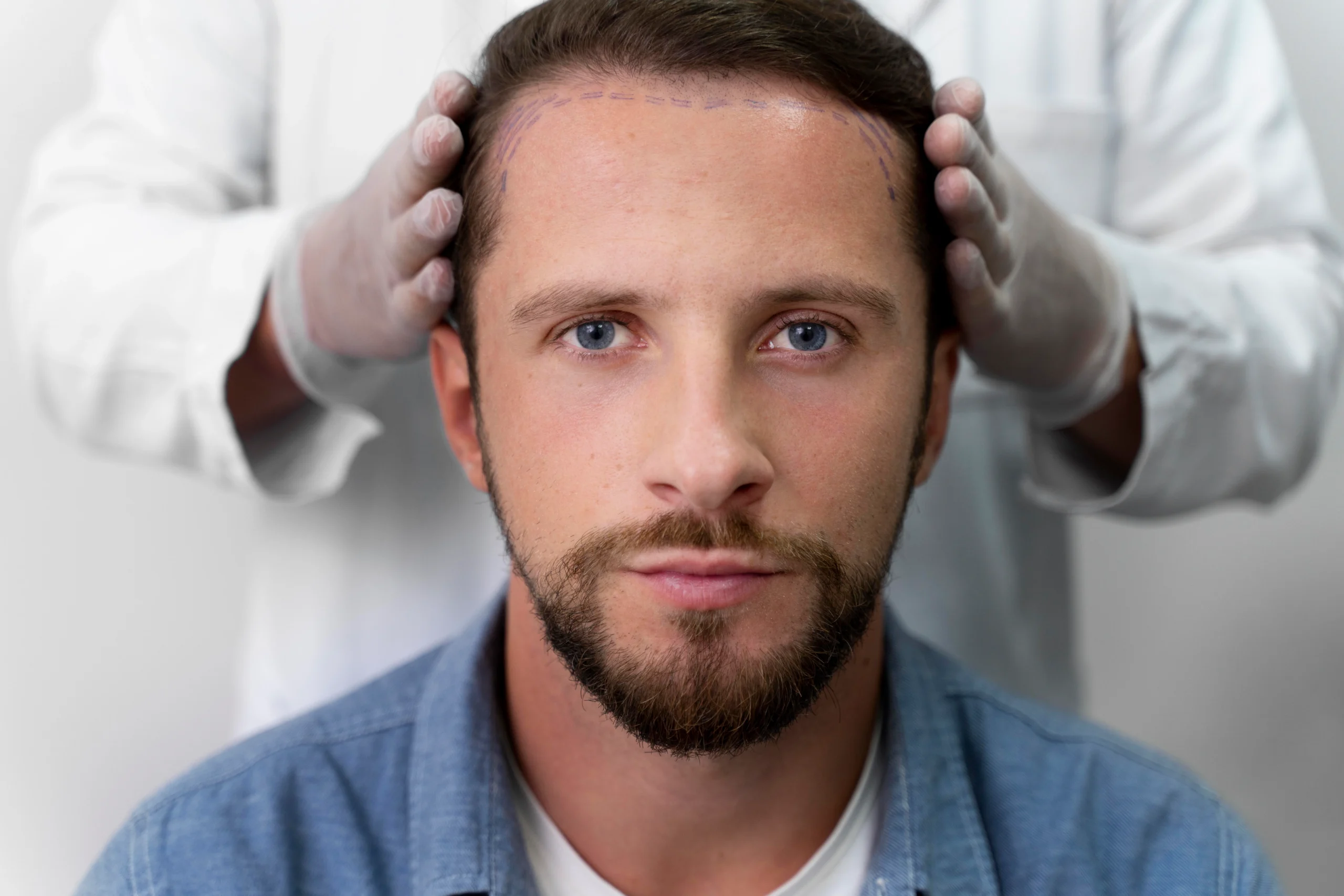
Hair loss affects millions of people and can significantly impact confidence and self-image. As a result, surgical hair restoration has become an increasingly popular solution. One of the most common concerns among patients considering the procedure is how long recovery will take and when they can expect to see visible results.
How Long Does Hair Transplantation Take to Heal in UK is a question frequently asked during consultations. Understanding the healing timeline helps patients prepare for recovery and manage expectations after the surgery.
Hair transplantation is a delicate surgical procedure that involves extracting healthy hair follicles from a donor area and implanting them into thinning or balding regions of the scalp. Although the procedure itself typically takes several hours, the healing process occurs gradually over several weeks and months.
In the UK, hair transplant clinics follow strict medical guidelines and sterile surgical protocols to ensure safe procedures and effective recovery. The healing time can vary slightly depending on the technique used, the patient’s scalp condition, and adherence to post-operative care instructions.
This guide explains the healing stages after a hair transplant, what to expect during recovery, and how long it takes for transplanted hair to grow naturally.
How Long Does Hair Transplantation Take to Heal in UK: Complete Recovery Timeline
Understanding How Long Does Hair Transplantation Take to Heal in UK requires looking at the recovery process in stages. Healing occurs gradually as the scalp repairs itself and newly transplanted follicles begin adapting to their new location.
The complete recovery timeline can be divided into immediate healing, short-term recovery, and long-term hair growth stages.
Immediate Healing: First 1–7 Days
The first week after surgery is the most delicate phase of healing. During this period, the scalp begins recovering from the tiny incisions made during the transplant.
Common experiences during the first few days include:
- Mild swelling around the forehead or scalp
- Redness in both donor and recipient areas
- Small scabs forming around the transplanted follicles
- Slight tightness or itching on the scalp
These reactions are normal signs of healing and usually subside within the first week.
Patients are typically advised to:
- Avoid touching or scratching the transplanted area
- Sleep with the head elevated for the first few nights
- Follow the surgeon’s washing instructions carefully
- Avoid strenuous activities
Most individuals can return to non-physical work within 3 to 5 days after the procedure.
Short-Term Healing: 2–4 Weeks After Surgery
During the next few weeks, the scalp continues to heal and inflammation gradually disappears. This stage is crucial because the transplanted follicles begin stabilizing in their new positions.
Typical changes during this stage include:
- Scabs naturally falling off within 10–14 days
- Redness gradually fading
- Donor area healing completely
- Temporary shedding of transplanted hair
The temporary shedding of transplanted hair, known as shock loss, often surprises patients. However, this is completely normal and does not mean the transplant failed.
The follicles remain intact under the skin and will begin producing new hair in the coming months.
Mid-Term Recovery: 1–3 Months
The next phase focuses on internal follicle recovery rather than visible hair growth.
Patients may notice:
- The scalp returning to normal appearance
- Transplanted hairs shedding completely
- Minimal visible hair growth initially
Although visible improvement may seem slow, the follicles are actively entering a new growth cycle.
By the end of the third month, many patients begin noticing the first signs of new hair growth.
Long-Term Healing and Hair Growth: 4–12 Months
The most significant results appear during this stage.
Between the fourth and twelfth month, transplanted hair gradually grows thicker and longer. Each month typically shows progressive improvement.
Typical growth milestones include:
- 4–6 months: noticeable new hair growth
- 6–9 months: hair becomes thicker and denser
- 9–12 months: final results start becoming visible
Complete maturation of transplanted hair follicles may take up to 12–15 months.
This timeline answers the common concern regarding How Long Does Hair Transplantation Take to Heal in UK, as full cosmetic results require patience and proper aftercare.
Hair Transplant Procedure and Its Impact on Healing
Hair transplant recovery also depends on the surgical technique used. In the UK, the two most common surgical procedures are FUE (Follicular Unit Extraction) and FUT (Follicular Unit Transplantation).
FUE Hair Transplant Method
FUE is currently the most widely performed technique.
In this method:
- Individual follicles are extracted from the donor area
- Small micro-incisions are created in the recipient area
- Each follicle is implanted carefully into thinning regions
Benefits of FUE include:
- Minimal scarring
- Faster healing
- Less discomfort
- Natural-looking results
Most patients who undergo FUE experience quicker recovery and less visible scarring compared to other techniques.
FUT Hair Transplant Method
FUT involves removing a small strip of scalp from the donor area, usually the back of the head.
The strip is then dissected into individual follicular grafts before implantation.
Although effective, FUT may involve:
- Slightly longer recovery time
- A linear scar in the donor area
- Mild tightness during healing
Because of these factors, many modern clinics prefer the FUE method for faster healing and improved patient comfort.
Factors That Influence How Long Hair Transplantation Takes to Heal
Healing time varies from person to person. Several factors can influence How Long Does Hair Transplantation Take to Heal in UK.
1. Surgical Technique
As mentioned earlier, FUE usually heals faster than FUT due to smaller incisions.
2. Patient’s Overall Health
Individuals with good overall health and strong immune systems typically heal faster.
3. Surgeon’s Skill and Experience
Experienced surgeons perform precise follicle extraction and implantation, reducing trauma to the scalp and supporting faster recovery.
4. Post-Surgery Care
Patients who strictly follow post-operative instructions often experience smoother healing.
5. Number of Grafts Transplanted
Larger procedures involving thousands of grafts may slightly extend the healing timeline.
Essential Aftercare Tips for Faster Healing
Following proper aftercare instructions is one of the most important factors in recovery.
Patients are typically advised to follow these guidelines after surgery:
First Week Care
- Avoid washing the scalp for the first 24–48 hours
- Use only prescribed shampoo and lotions
- Avoid direct sunlight
- Do not wear tight hats or helmets
Lifestyle Precautions
For the first few weeks after surgery:
- Avoid heavy exercise
- Avoid smoking and alcohol
- Avoid swimming pools or saunas
- Avoid scratching the scalp
Proper care during the early stages significantly improves the success of transplanted follicles and healing quality.
Signs of Healthy Healing After Hair Transplant Surgery
During recovery, patients often wonder whether their scalp is healing normally.
Healthy signs of recovery include:
- Scabs falling off naturally
- Gradual reduction in redness
- Mild itching as skin heals
- Early hair growth after a few months
These signs indicate that the scalp and hair follicles are healing as expected.
When to Contact a Hair Transplant Specialist
Although complications are rare, patients should consult their surgeon if they experience:
- Persistent swelling beyond 7–10 days
- Severe pain or infection
- Excessive bleeding
- Sudden loss of transplanted grafts
Early medical evaluation ensures proper management and prevents complications.
Psychological Expectations During Recovery
Hair transplant recovery requires patience. Many patients feel concerned when transplanted hair sheds within the first few weeks.
However, understanding the natural growth cycle of transplanted hair follicles can help patients remain confident in the process.
It is important to remember:
- Hair shedding after transplant is normal
- New growth takes several months
- Final results require time and patience
Clinics in the UK typically schedule regular follow-up appointments to monitor recovery and progress.
Long-Term Results of Hair Transplant Surgery
Once healing is complete, transplanted hair behaves like natural hair.
Patients can:
- Cut and style their hair normally
- Wash hair regularly
- Dye or color hair if desired
Because donor hair follicles are genetically resistant to hair loss, the results of transplantation are typically long-lasting and natural-looking.
However, maintaining overall scalp health and following medical advice can help preserve the best possible results.
Conclusion
Understanding How Long Does Hair Transplantation Take to Heal in UK helps patients set realistic expectations before undergoing the procedure. While the initial healing of the scalp typically occurs within 7–14 days, the complete hair growth cycle takes significantly longer.
Most patients begin noticing new hair growth within 3 to 4 months, with visible improvements continuing over the following months. Full results generally become visible between 9 and 12 months after surgery.
Modern hair transplant techniques, especially FUE, allow for minimally invasive procedures and faster recovery, making hair restoration more accessible and comfortable than ever before.
Patients considering hair restoration procedures should always consult qualified and experienced surgeons who follow recognized medical standards and regulatory guidelines.
Hair transplant surgery remains one of the most effective surgical solutions for hair loss. Individuals interested in additional procedures may also explore beard hair transplant treatments, eyebrow transplantation, and advanced scalp restoration procedures offered by specialized clinics.
Choosing a certified medical professional and following proper aftercare instructions ensures safe healing and successful long-term results after hair transplant surgery.
Book a Consultation
It’s easy and free!